Seasonal roof care is essential for maintaining the integrity and longevity of any roofing system. Roofing contractors emphasize that regular inspections and timely maintenance can prevent minor issues from escalating into costly repairs. As the seasons change, roofs are exposed to varying weather conditions, each posing unique challenges. Proper preparation tailored to these changes ensures a durable and resilient roof.
In spring, it is crucial to assess any damage caused by winter’s harsh conditions such as ice, snow, or frozen debris. Contractors recommend a thorough inspection to identify cracked shingles, loose flashing, or clogged gutters that could lead to water infiltration during spring rains. Clearing away debris like leaves and branches helps maintain proper drainage and prevents mold growth. Additionally, checking attic ventilation supports moisture control and reduces strain on roofing materials.
Summer brings intense heat and strong sunlight that can accelerate wear on roofing materials. Roofing professionals advise homeowners to monitor click for details signs of sun damage including cracked or curled shingles which compromise the protective barrier of the roof. Ensuring adequate insulation beneath the roof deck minimizes temperature fluctuations inside the home while preventing premature aging of roofing components due to excessive heat exposure.
As autumn approaches, preparing for falling leaves and increased rainfall becomes a priority. Contractors suggest cleaning gutters regularly to avoid blockages that cause water backup under shingles leading to leaks or rot in underlying structures. Inspecting seals around chimneys, vents, and skylights before winter sets in helps prevent drafts and moisture intrusion during colder months when repairs may be more difficult.
Winter presents challenges such as heavy snowfall accumulation and ice dams formation along eaves which can exert pressure on roofs causing structural damage if not addressed promptly. Experienced roofing contractors often recommend installing heat cables or improving attic insulation to reduce ice dam risks by maintaining consistent rooftop temperatures. It is also advisable to remove excess snow safely using appropriate tools without damaging shingles or membranes.
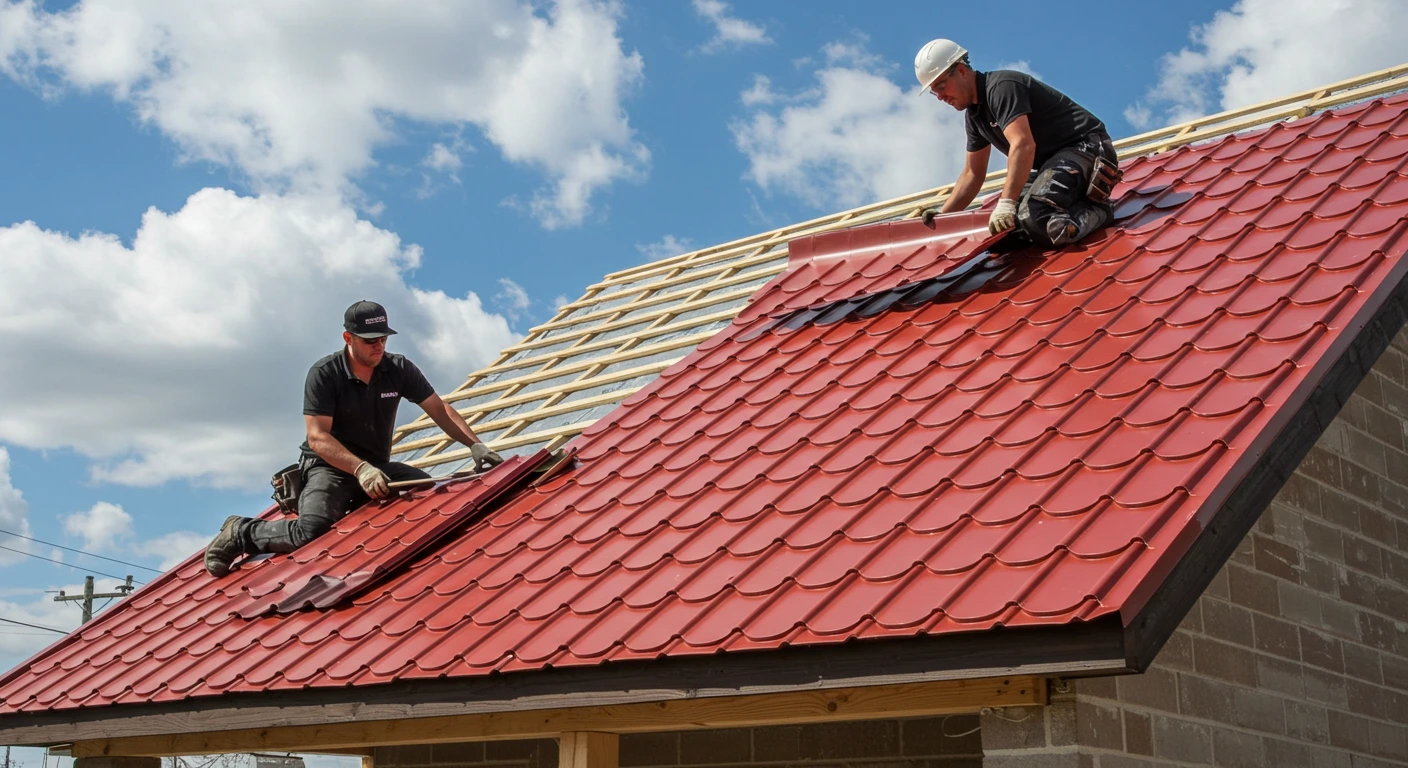
Throughout all seasons, safety remains paramount when performing any roof maintenance tasks; professional contractors possess the necessary training and equipment ensuring work is done efficiently without risking injury or property harm. Homeowners should consider scheduling routine professional inspections at least twice annually combined with prompt repair services whenever issues arise.
Following these seasonal guidelines promotes proactive care rather than reactive fixes after severe weather events occur. A well-maintained roof not only protects property but enhances curb appeal while increasing overall home value over time through sustained performance against environmental stressors year-round.