In the world of mechanics, dealing with fasteners is a routine yet critical task. Fasteners, including bolts and screws, are essential components that hold various parts of machinery and structures together. However, these components can sometimes become stretched due to excessive force or prolonged use. Handling a situation where a fastener has been stretched requires skill and precision to ensure safety and functionality.
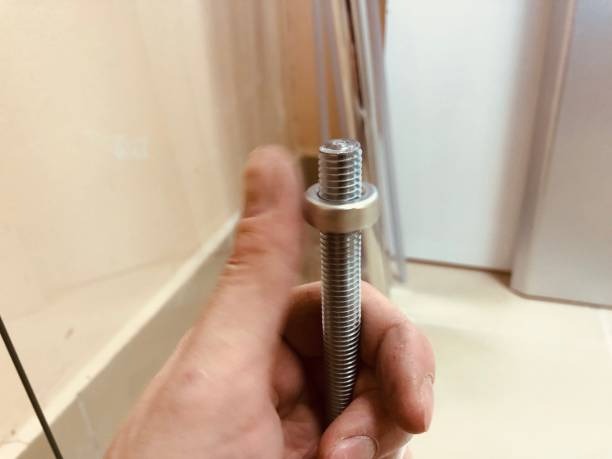
When faced with a stretched fastener, the first step for mechanics is to assess the extent of the damage. This involves visually inspecting the fastener for signs of elongation or deformation. A stretched fastener may appear longer than its original size, with threads that are more spaced out or damaged. Mechanics often use calipers or micrometers to measure dive into the details dimensions accurately and compare them against standard specifications.
Once it is confirmed that a fastener is indeed stretched beyond acceptable limits, replacement becomes necessary. Continuing to use a compromised fastener poses significant risks as it may not be able to withstand operational stresses effectively, leading to potential failures in machinery or structural integrity.
The next step involves selecting an appropriate replacement fastener. Mechanics must ensure that the new component matches the original in terms of material composition, size, thread pitch, and tensile strength. This ensures compatibility with existing parts and maintains overall system reliability.
Before installing the new fastener, it’s crucial for mechanics to examine adjacent components for any collateral damage caused by the initial stretching incident. This includes checking mating surfaces for warping or wear and ensuring that other connected parts have not been adversely affected.
Installation of the new fastener requires careful attention to torque specifications provided by manufacturers or engineering guidelines. Over-tightening can lead once again to stretching issues while under-tightening might result in insufficient clamping force.
In some cases where replacing traditional metal bolts isn’t viable immediately—such as during field repairs—mechanics might employ temporary solutions like using thread-locking compounds or reinforcing support brackets until proper replacements can be sourced.
Mechanics also emphasize preventive measures post-repair; this includes regular maintenance checks on high-stress areas prone to such issues along with educating operators about correct usage practices which help minimize undue stress on fastening systems over time thereby extending their service life considerably before needing replacements again eventually down line somewhere else altogether if at all possible ideally speaking anyway!
Overall handling situations involving stretched faster tries require technical expertise coupled alongside practical problem-solving skills ultimately ensuring operational efficiency remains uncompromised throughout entire process involved therein from start finish without exception whatsoever!