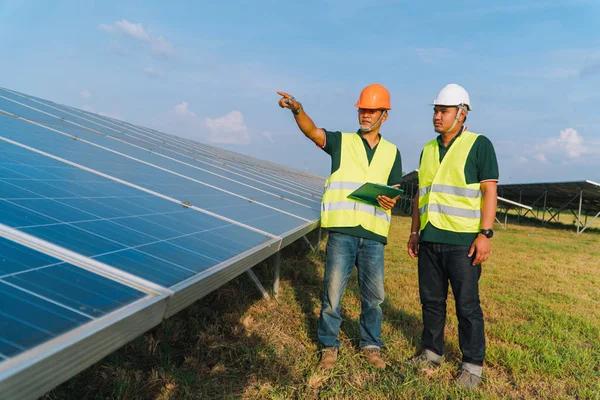
Commercial solar installations require careful planning and adherence to specific requirements to ensure efficiency, safety, and regulatory compliance. The first consideration is assessing the energy needs of the business. Unlike residential systems, commercial setups often demand higher power capacities due to larger operational loads. This assessment involves analyzing past electricity consumption data and forecasting future usage to determine the appropriate system size. Proper sizing helps avoid underperformance or unnecessary costs associated with oversized systems.
Site evaluation is another critical step in commercial solar projects. The location must have ample sunlight exposure throughout the day, free from shading caused by nearby buildings, trees, or other obstructions. Roof condition and orientation also play significant roles; a structurally sound roof facing south (in explore the options northern hemisphere) generally provides optimal performance. In some cases, ground-mounted systems may be more suitable if rooftop space is limited or unsuitable.
Compliance with local regulations and permitting processes cannot be overlooked when installing commercial solar panels. Different regions have varying rules regarding zoning, building codes, electrical standards, and environmental considerations. Engaging with local authorities early in the project ensures that all necessary permissions are secured before installation begins. This step prevents costly delays and legal complications.
Choosing quality equipment is essential for long-term reliability and return on investment. Commercial-grade solar panels typically offer higher durability and efficiency compared to residential models due to their robust construction designed for heavier use conditions. Inverters must match system capacity while maintaining high conversion efficiency since they convert direct current generated by panels into usable alternating current for business operations.
Electrical integration requires professional expertise because commercial systems often involve complex wiring configurations connected directly to a facility’s main electrical panel or even its own dedicated distribution network segment. Licensed electricians ensure connections meet safety standards such as those outlined by the National Electrical Code (NEC) in the United States or equivalent guidelines elsewhere.
Financial incentives can significantly impact project feasibility by reducing upfront costs through tax credits, rebates, or grants offered at federal, state, or local levels depending on jurisdictional policies supporting renewable energy adoption among businesses.
Maintenance plans tailored for commercial installations help sustain peak performance over time by scheduling regular inspections cleaning debris off panels checking inverter status monitoring output data identifying potential faults early thus minimizing downtime which can affect business productivity adversely if left unaddressed.