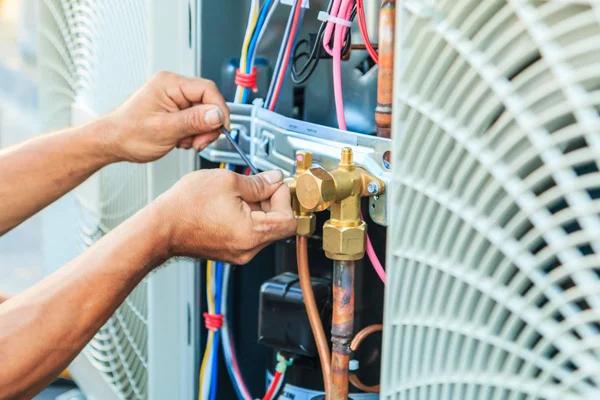
Boilers are essential components in many homes and buildings, providing heat and hot water efficiently. Understanding boiler repair and safety is crucial for maintaining its performance and ensuring the well-being of occupants. Regular maintenance helps prevent unexpected breakdowns, extends the lifespan of the appliance, and reduces energy costs. When a boiler shows signs of malfunction, it is important to address issues promptly by consulting a qualified professional rather than attempting to fix it independently.
Common problems with boilers include leaks, strange noises, pressure drops, pilot light failures, or lack of heat production. These symptoms often indicate underlying faults that require expert diagnosis. Leaks can cause water heater repair damage and reduce heating efficiency; hence they must be repaired quickly to avoid further complications. Unusual sounds might suggest trapped air or mechanical wear within the system that needs attention before escalating into more serious damage.
Safety is paramount when dealing with boilers because they operate under high pressure and involve combustion processes that produce gases like carbon monoxide (CO). Carbon monoxide is odorless and colorless but highly toxic if inhaled in large quantities. Installing CO detectors near boiler units provides an early warning system against dangerous leaks. Additionally, ensuring proper ventilation around the boiler prevents accumulation of hazardous gases inside enclosed spaces.
Routine inspections should include checking all connections for tightness, examining flue pipes for blockages or corrosion, testing pressure relief valves to confirm functionality, and verifying thermostat accuracy. Flue systems must be clear to allow exhaust gases to escape safely outside; any obstruction could lead to backflow of toxic fumes indoors.
When repairs are necessary, always hire certified technicians who follow industry standards and local regulations. Attempting DIY fixes on boilers can void warranties or create unsafe conditions due to improper handling of gas lines or electrical components. Professionals have specialized tools and knowledge required for accurate troubleshooting as well as safe replacement of faulty parts such as pumps, valves, thermostats or sensors.
Preventive care includes bleeding radiators regularly if you notice cold spots caused by trapped air bubbles which hamper heating efficiency. Keeping the area around your boiler clean from dust or debris also supports optimal operation by preventing overheating issues related to clogged filters or vents.
In conclusion, understanding basic aspects of boiler repair combined with strict adherence to safety measures ensures reliable heating performance while safeguarding lives from potential hazards associated with faulty equipment. Proactive maintenance paired with professional intervention when problems arise will keep your system running smoothly through colder months without compromising security in your home environment.