Microcracks in teeth, often invisible to the naked eye, present a subtle yet significant challenge in dental health. These tiny fractures can develop due to various factors such as bruxism (teeth grinding), thermal stress from consuming hot and cold foods, or even natural wear and tear over time. While they may seem insignificant at first glance, microcracks can lead to more severe dental issues if left unaddressed.
The development of microcracks is influenced by the complex structure of teeth. Enamel, the outermost layer of a tooth, is incredibly hard but also somewhat brittle. Beneath it lies dentin, which is softer and more flexible. When subjected to repeated stress or sudden impact, enamel can develop small cracks that may not penetrate deeply but compromise the tooth’s structural integrity.
One of the primary dangers associated with microcracks is their potential to harbor bacteria. The microscopic nature of these fissures makes them ideal breeding grounds for bacteria that are difficult to reach through regular brushing or flossing. This bacterial presence can lead to decay beneath the surface level, eventually resulting in cavities that are harder to detect and treat until they become significantly problematic.
Moreover, microcracks can exacerbate sensitivity issues in teeth. As these cracks deepen over time due to continued stress or neglect, they allow external stimuli—such as temperature changes from food and drinks—to reach the nerve endings within the tooth more easily. This results in heightened sensitivity that can cause discomfort during daily activities like eating or drinking.
In addition to causing immediate discomfort and potential decay, untreated microcracks pose a risk for further structural damage under continued pressure or trauma. Over time, what begins as a minor crack could evolve dive into it larger fractures requiring extensive restorative procedures such as crowns or root canals.
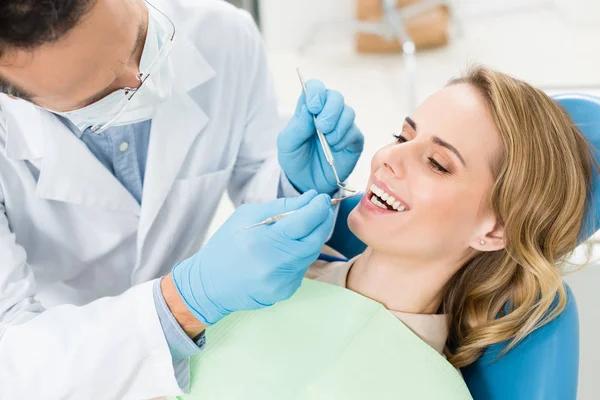
Preventive measures play a crucial role in managing this hidden dental threat. Regular dental check-ups allow professionals to identify early signs of microcracking using advanced imaging technologies like digital radiography or intraoral cameras which provide detailed views beyond what traditional examinations might reveal.
Patients should also be mindful of their oral hygiene practices; using toothpaste designed for sensitive teeth may help mitigate some symptoms associated with minor cracks while reducing further enamel erosion risks through gentle brushing techniques helps maintain overall tooth health without exacerbating existing vulnerabilities.