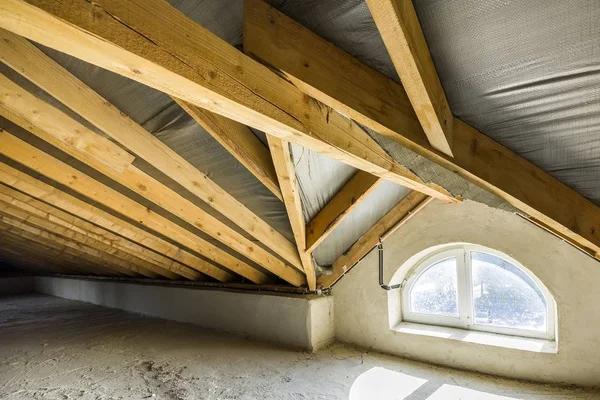
As the sweltering heat of Houston’s summer months takes its toll on homes, one area that often bears the brunt is the attic. This space, frequently overlooked, can become a hotbed of issues when temperatures soar. Understanding the signs that your attic may be struggling with extreme heat is crucial for maintaining your home’s overall health and efficiency.
One of the most noticeable indicators that your attic is grappling with excessive heat is an unusually warm upper floor. If you find that your top floor remains significantly hotter than the rest of your home despite running air conditioning, it could signal inadequate insulation or ventilation in the attic. Proper insulation acts as a barrier to keep cool air in and hot air out, while effective ventilation allows trapped heat to escape.
Another telltale sign is an increase in energy bills during summer months. When your attic cannot effectively manage high temperatures, it forces your HVAC system to work overtime to compensate for the lack of temperature regulation. This increased demand can lead to higher electricity costs as well as added wear and tear on your cooling systems.
You might also notice visible damage within the attic itself. Warped wood beams or rafters are a common consequence of prolonged exposure to intense heat. The structural integrity of these components can be compromised over time if not addressed promptly. Additionally, check for any peeling paint or blistering on walls and ceilings beneath the attic; this often results from excessive moisture buildup due to poor ventilation.
The presence of mold or mildew serves as another red flag indicating potential trouble with humidity levels exacerbated by extreme temperatures. Mold thrives in warm, damp environments and can spread quickly if left unchecked, posing health risks and further damaging property.
Furthermore, unpleasant odors emanating from above could suggest problems related to overheating attics—often stemming from stored items releasing smells when subjected to prolonged high temperatures—or even pest infestations seeking refuge from outdoor elements inside cooler areas like poorly ventilated spaces where they thrive undisturbed until detected too late sometimes!
Lastly but importantly: listen closely! Strange noises such as creaking sounds coming directly overhead might indicate thermal expansion/contraction cycles causing shifts/movements among materials used (e.g., nails popping loose).
In conclusion: recognizing these warning signs early helps prevent more details serious issues down line—protect both comfort level indoors plus safeguard investment made into owning property long-term!