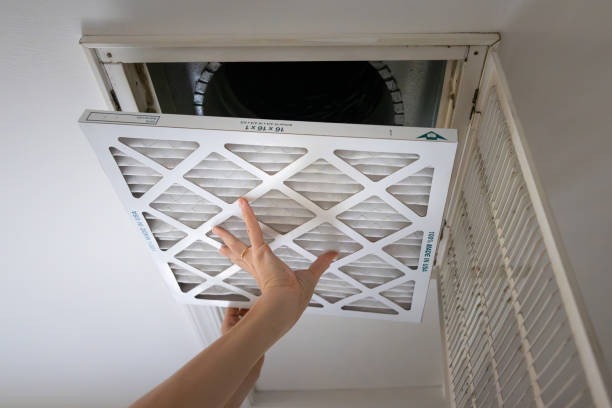
When it comes to heating your home, choosing the right system is essential for comfort, efficiency, and cost savings. Two popular options for residential heating are furnaces and heat pumps. Understanding the key factors involved in selecting between these options will help you make an informed decision that suits your climate, budget, and household needs. Learn more about our options and what you should consider before making a purchase.
One of the first factors to consider is the climate in your area. Furnaces are often favored in colder regions because they generate heat by burning fuel such as natural gas, oil, or propane, providing powerful warmth even in freezing temperatures. Heat pumps, on the other hand, work by transferring heat from the outside air into your home, making them highly efficient in moderate climates. However, modern heat pumps have improved technology allowing them to perform effectively in colder environments as well.
Energy efficiency is another crucial consideration. Heat pumps generally use less energy than traditional furnaces because they move heat rather than generate it. This can lead to significant savings on your utility bills over time. When comparing learn more about our options products, look for units with high Seasonal Energy Efficiency Ratio (SEER) and Heating Seasonal Performance Factor (HSPF) ratings for heat pumps, or Annual Fuel Utilization Efficiency (AFUE) ratings for furnaces. Higher ratings indicate better efficiency and lower operational costs.
Installation and maintenance costs also play an important role in your decision. Furnaces usually have lower upfront costs but may require more maintenance due to combustion components. Heat pumps can be more expensive to install but often have lower maintenance requirements and can provide both heating and cooling, offering year-round value. Additionally, consider the availability of professional service in your area to keep the system running efficiently.
Another key factor is the environmental impact. Heat pumps are generally more environmentally friendly because they rely on electricity and do not produce combustion emissions. If your electricity comes from renewable sources, the carbon footprint of a heat pump can be significantly lower than that of a fossil fuel furnace. For homeowners prioritizing sustainability, this may be a decisive factor.
Finally, think about your specific household needs and preferences. Factors such as the size of your home, insulation quality, and your budget for both installation and ongoing operation should influence your choice. Consulting with a qualified HVAC professional can help you evaluate these aspects thoroughly and guide you toward the best heating solution.
In conclusion, when choosing between a furnace and a heat pump, understanding your local climate, energy efficiency ratings, costs, environmental impact, and personal requirements will ensure you select the most suitable heating option for your home. Learn more about our options to find the perfect fit and enjoy comfortable warmth all year round.