Upgrading attic insulation is a significant home improvement project that can enhance energy efficiency, reduce utility bills, and improve indoor comfort. However, before embarking on this upgrade, homeowners should be aware of several critical factors to ensure the project’s success.
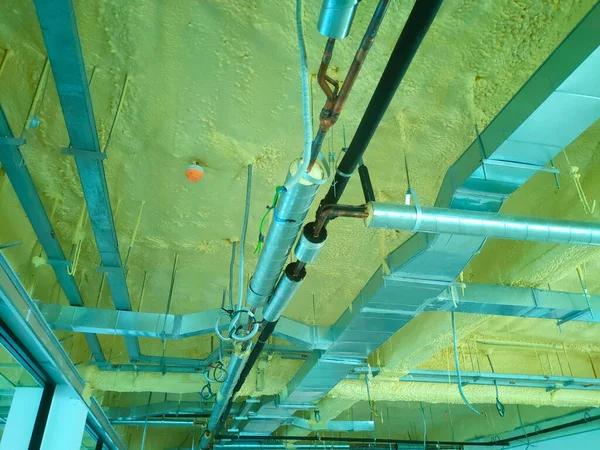
Firstly, understanding the type of insulation currently in place is essential. Homeowners need to identify whether their existing insulation is fiberglass batts, blown-in cellulose, spray foam, or another material. This knowledge will help determine if a complete removal and replacement are necessary or if adding additional layers will suffice. It also influences the choice of new insulation materials compatible with what already exists.
Another crucial consideration is learn all the details R-value measures thermal resistance; higher values indicate better insulating properties. The optimal R-value for an attic depends on geographic location and climate conditions. For instance, homes in colder regions generally require higher R-values compared to those in milder climates. Consulting local building codes or an energy auditor can provide guidance on the appropriate R-value needed for maximum efficiency.
Homeowners should also assess their attic’s ventilation system before upgrading insulation. Proper ventilation prevents moisture buildup that can lead to mold growth and structural damage over time. Ensuring there are adequate vents allows air circulation which helps maintain a consistent temperature throughout the home while protecting roofing materials from excessive heat during summer months.
Cost considerations play a pivotal role as well when planning an attic insulation upgrade. While it might be tempting to opt for cheaper materials initially, investing in high-quality products often results in long-term savings due to improved durability and performance over time. Furthermore, homeowners may find financial incentives available through government programs aimed at promoting energy-efficient upgrades; these can significantly offset initial costs associated with purchasing premium-grade insulators.
Additionally, safety precautions must not be overlooked during installation processes—especially if opting for DIY approaches rather than hiring professional contractors skilled at handling potentially hazardous substances like asbestos found occasionally within older homes’ attics without proper protective gear could pose health risks down line both immediately afterward years later too!
Lastly but importantly ensuring thorough sealing around any gaps cracks present within walls ceilings floors adjoining spaces ensures maximum effectiveness newly installed systems prevent unwanted drafts entering living areas below thus maintaining desired temperatures consistently year-round regardless external weather conditions outside making sure every dollar spent counts towards achieving intended goals ultimately benefiting occupants overall wellbeing satisfaction levels alike!