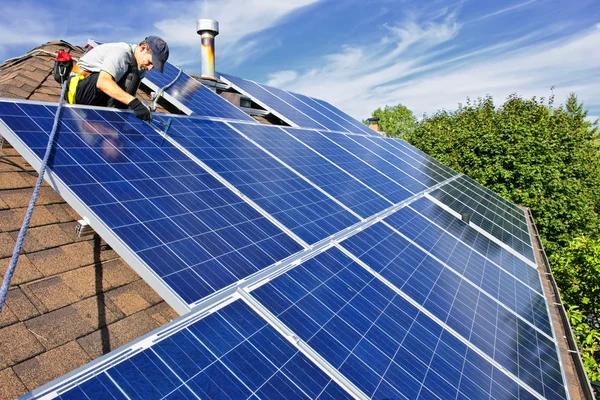
The cost of generating electricity through solar panels has seen a significant decline over the past decade, making solar energy an increasingly attractive option for both residential and commercial users. Initially, the high upfront investment in purchasing and installing solar panels was a major barrier for many potential adopters. However, advances in technology, increased manufacturing scale, and supportive government incentives have contributed to reducing these initial costs substantially. Today, the price per watt of solar panel capacity is much lower than it was ten years ago, which directly impacts the overall generation cost. Despite this reduction in installation expenses, it is important to consider not only the immediate outlay but also the long-term savings that come with switching to solar energy.
Solar panel systems typically require minimal maintenance once installed correctly. Unlike traditional energy sources that rely on fuel purchases or complex infrastructure upkeep, solar power harnesses sunlight-a free and abundant resource-resulting in very low operational costs after installation. This characteristic means that after recovering the initial investment through savings on electricity bills, homeowners or businesses can enjoy nearly free power for many years. The average lifespan of modern solar panels ranges from 25 to 30 years or more; during this period, cumulative website savings can be substantial when compared with conventional utility expenses.
Another factor influencing long-term financial benefits is net metering policies available in many regions. These policies allow excess electricity generated by a solar system to be fed back into the grid in exchange for credits or payments from utility companies. Net metering effectively reduces monthly electricity bills further by compensating owners for surplus production during sunny periods when consumption might be lower than output levels.
It is also essential to evaluate how local electricity rates affect potential savings since higher conventional rates increase the value proposition of investing in solar technology. As fossil fuel prices fluctuate unpredictably due to geopolitical tensions or market dynamics, locking into clean renewable energy provides price stability and protection against future rate hikes.
Although upfront costs remain a consideration depending on system size and location-specific factors such as roof orientation and shading conditions influence efficiency outcomes; financing options like loans or leases help spread payments over time without compromising access to benefits early on.
In summary, while there is an initial financial commitment involved with installing solar panels, decreasing generation costs combined with ongoing reductions in utility expenses create compelling long-term economic advantages. Solar power not only offers environmental benefits but also delivers meaningful monetary returns throughout its operational life cycle when evaluated carefully against traditional energy expenditures.