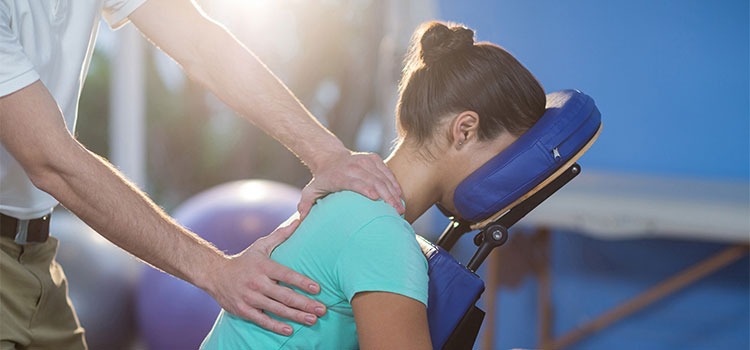
Tight hamstrings are a common issue faced by many individuals, whether due to prolonged sitting, intense physical activity, or simply lack of flexibility. This discomfort can lead to reduced mobility, pain in the lower back and legs, and an increased risk of injury. People often seek various methods to alleviate tightness in these muscles, including stretching exercises, physical therapy, and massage. In recent years, massage chairs have gained popularity as a convenient tool for muscle relaxation and recovery. But can massage chairs specifically help with tight hamstrings?
Massage chairs are designed primarily to target the back, neck, shoulders, and sometimes calves through techniques like kneading, rolling, tapping, and vibration. They simulate human hands massaging muscles to improve blood circulation and reduce muscle tension. While most massage chairs focus on upper body areas or lower legs rather than the hamstrings directly located at the back of the thighs, some advanced models offer features that may indirectly benefit tight hamstrings.
One way massage chairs might assist with tight hamstrings is through improved overall circulation in the lower body. Increased blood flow helps deliver oxygen and nutrients essential for muscle repair while removing metabolic waste products that contribute to soreness. Even if a chair does not apply direct pressure on the hamstring muscles themselves due to their location being difficult for seated devices targeting primarily backs or calves, enhanced circulation around adjacent areas such as glutes or lower back could provide some relief.
Moreover, certain full-body massage chairs come equipped with leg extension attachments that wrap around thighs and calves applying compression therapy or gentle vibrations which may influence nearby muscles positively by stimulating nerve endings and relaxing fascia tissue surrounding those muscles.
However important it is to understand that while a massage chair reviews might support relaxation of surrounding musculature or relieve secondary tension contributing factors (such as lumbar stiffness), it should not be relied upon solely for treating tight hamstrings comprehensively. Targeted stretching routines remain essential because they actively lengthen shortened muscle fibers improving flexibility over time-a benefit passive massages cannot fully replicate.
1. Choose models offering leg compression features along with heat therapy since warmth increases tissue elasticity. 2. Use sessions combined with active stretches post-massage when muscles feel more pliable. 3. Consider professional advice if chronic pain persists; sometimes underlying conditions require specialized treatments beyond general massages.
In conclusion although traditional massage chairs do not directly manipulate the posterior thigh area where hamstring muscles reside extensively enough for targeted treatment; they can complement other approaches by promoting relaxation through enhanced circulation around connected regions like hips or lower back thereby easing associated discomforts indirectly related to tightness in those muscles. Integrating use of such devices alongside regular stretching exercises provides a more holistic strategy toward managing stiff hamstrings effectively rather than relying exclusively on one method alone.