Upgrading the comfort and efficiency of HVAC systems in older homes can be a rewarding endeavor that enhances living conditions while reducing energy costs. Older homes often come with unique challenges such as outdated infrastructure, less efficient insulation, and aged heating and cooling systems. However, with thoughtful planning and strategic upgrades, homeowners can significantly improve their home’s HVAC efficiency.
One of the first steps to enhancing HVAC efficiency in an older home is to conduct a comprehensive energy audit. This audit will identify areas where energy loss is occurring, such as drafty windows or insufficient insulation. By addressing these issues first, homeowners can create a more conducive environment for an efficient HVAC system. Sealing leaks around windows and doors with weatherstripping or caulking can prevent drafts that force your system to work harder than necessary.
Insulation plays a crucial role in maintaining temperature regulation within the home. Many older homes lack adequate insulation in attics, walls, or basements. Upgrading insulation not only helps maintain consistent indoor temperatures but also reduces strain on your HVAC system by minimizing heat loss during winter months and keeping cool air inside during summer months.
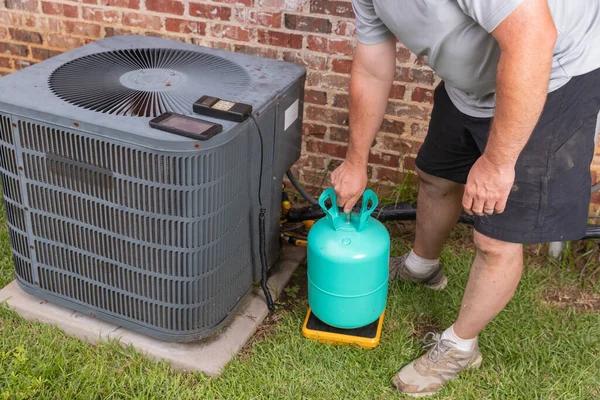
Replacing outdated HVAC equipment is another significant step toward improving efficiency. Modern heating and visit our site cooling systems are designed with advanced technology that offers higher efficiency levels compared to older models. When selecting new equipment, consider systems with high Seasonal Energy Efficiency Ratio (SEER) ratings for air conditioners or Annual Fuel Utilization Efficiency (AFUE) percentages for furnaces.
Regular maintenance of your existing HVAC system should not be overlooked either. Simple tasks like replacing filters every few months ensure optimal airflow and help maintain the system’s performance over time. Scheduling annual professional maintenance checks can also catch potential issues early before they become costly repairs.
Incorporating smart thermostats into your home’s climate control strategy offers another layer of efficiency enhancement. These devices learn household patterns and adjust settings accordingly to optimize energy use without sacrificing comfort—resulting in reduced utility bills over time.
Additionally, exploring alternative energy sources like solar panels might offer long-term savings on electricity used by your heating and cooling systems while contributing positively towards environmental sustainability efforts.
Finally, educating yourself about government incentives or rebates available for upgrading to energy-efficient appliances could provide financial assistance when undertaking these improvements.
By taking these steps—conducting an energy audit; updating insulation; investing in modern equipment; maintaining regular upkeep; utilizing smart technology; considering renewable energies; seeking out incentives—homeowners of older properties can enjoy enhanced comfort alongside improved cost-effectiveness through increased HVAC efficiency.