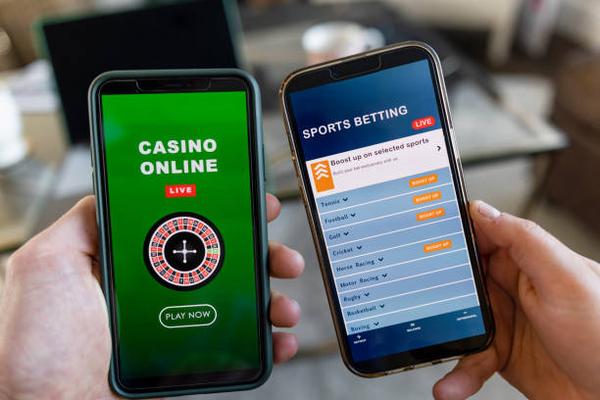
In recent years, the landscape of online gambling in Singapore has evolved significantly, with numerous platforms offering an array of games and betting options. One critical aspect that influences player experience and satisfaction is payment flexibility. Reviewing payment flexibility at a Singapore online casino reveals how these platforms cater to diverse user needs by providing multiple convenient, secure, and efficient transaction methods.
Payment flexibility refers to the variety and adaptability of deposit and withdrawal options available to players. In Singapore’s regulated environment, where strict compliance with legal frameworks is essential, online casinos must balance convenience with security. A well-rounded payment system not only attracts more users but also ensures smooth financial transactions that build trust between players and operators.
Most reputable Singapore online casinos offer several popular payment methods including credit/debit cards such as Visa and Mastercard, e-wallets like PayPal or Skrill, bank transfers, and increasingly cryptocurrencies such as Bitcoin. Each method comes with distinct advantages tailored to different user preferences. For instance, credit cards are widely used due to their familiarity and speed; deposits are instant while withdrawals might take a few days depending on banking procedures. E-wallets provide enhanced privacy along with faster processing times for both deposits and withdrawals which appeals especially to tech-savvy gamblers seeking quick access to funds.
Bank transfers remain a preferred choice for those who prioritize direct transactions from their personal accounts without intermediaries. Although this method can be slower compared to digital wallets or card payments due to banking hours or processing delays, it offers high security levels trusted by many users in Singapore’s conservative financial culture.
Cryptocurrency adoption is gradually gaining traction within the local market owing to its decentralized nature which promises anonymity coupled with rapid settlement times free from traditional banking restrictions. However, regulatory clarity around crypto gambling remains evolving in Singapore; thus some casinos limit this option or implement stringent verification processes when accepting cryptocurrency deposits or payouts.
Another important factor contributing to payment flexibility is the minimum deposit thresholds set by casinos. Lower minimum amounts encourage casual gamers who may want to try out games without significant financial commitment while higher maximum limits accommodate high rollers aiming for larger stakes or jackpots.
Moreover, fee structures associated with various payment methods impact overall flexibility perception among players. Transparent policies regarding any charges incurred during deposits or withdrawals enhance user confidence whereas hidden fees can deter ongoing engagement despite attractive game offerings.
Customer support related specifically to payments plays an integral role too-efficient assistance resolving transaction issues promptly reinforces reliability of the casino platform ensuring uninterrupted gaming experience.
In conclusion, reviewing payment flexibility at a Singapore online casino highlights its pivotal role in shaping player satisfaction through diverse options suited for varying preferences combined with secure protocols aligned with regulatory standards. As competition intensifies among operators within this dynamic market segment, continuous enhancements in payment systems will likely define winners capable of attracting loyal customer bases eager for seamless wagering experiences backed by trustworthy financial interactions.