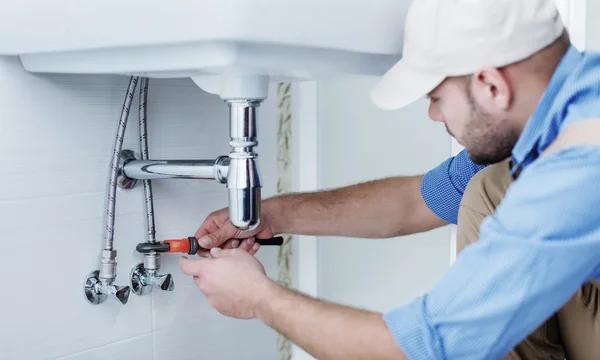
Water pressure is a critical aspect of any plumbing system, ensuring that water flows efficiently through pipes and reaches various fixtures with adequate force. However, homeowners often encounter issues related to water pressure that can disrupt daily activities and lead to more significant plumbing problems if not addressed promptly. Understanding these common water pressure issues is essential for maintaining an efficient and functional plumbing system.
One prevalent issue is low water pressure, which can occur due to several reasons. Mineral buildup in pipes or fixtures is one of the most common causes. Over time, minerals like calcium can accumulate inside the pipes, narrowing the passageway and reducing the flow of water. This issue is particularly common in areas with hard water. Additionally, leaks within the plumbing system can significantly decrease water pressure as they allow water to escape before reaching its intended destination.
Another potential cause of low water pressure is faulty or old fixtures. Faucets and showerheads equipped with aerators may become clogged with debris or mineral deposits over time, restricting the flow of water. Replacing or cleaning these components can often restore normal pressure levels.
High water pressure might seem advantageous at first glance; however, it poses its own set of challenges. Excessive discover more pressure places undue stress on pipes and appliances connected to your plumbing system, potentially leading to leaks or even bursts over time. Water hammer—a phenomenon where high-pressure surges cause loud banging noises in pipes—is a common symptom indicating excessive pressure levels.