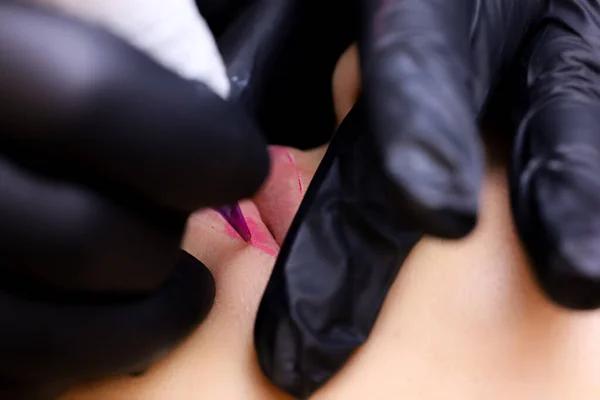
Tattoo and piercing shops have become increasingly popular as forms of self-expression and art. However, the allure of body modifications must be balanced with stringent hygiene and safety standards to ensure the well-being of clients and artists alike. The importance of these standards cannot be overstated, as they are crucial in preventing infections, ensuring a safe environment, and maintaining professional credibility.
At the core of any reputable tattoo or piercing establishment is a commitment to cleanliness. This begins with the sterilization of equipment. Tattoo needles and piercing tools come into direct contact with skin and bodily fluids; thus, they must be properly sterilized before each use to prevent cross-contamination. Autoclaves are commonly used for this purpose because they effectively eliminate bacteria, viruses, and fungi through high-pressure steam. Single-use needles are also an industry standard that further minimizes risks associated with reusing tools.
In addition to equipment sterilization, maintaining a clean workspace is paramount. Surfaces should be regularly disinfected using appropriate cleaning agents to reduce the presence of pathogens. Artists should wear gloves during procedures to create a barrier between themselves and their clients’ skin. These gloves need changing whenever there is an interruption in service or when transitioning between tasks.
Another critical aspect is open website proper aftercare instructions provided by professionals post-procedure. Clients need guidance on how best to care for their new tattoo or piercing during its healing phase since improper care can lead to infections or complications like scarring or keloids. Providing clear written instructions demonstrates professionalism while empowering clients with knowledge about wound care products such as saline solutions for piercings or fragrance-free moisturizers for tattoos.
Hygiene practices go hand-in-hand with safety protocols designed specifically around potential health hazards within these environments – from bloodborne pathogens (BBPs) like hepatitis B/C & HIV/AIDS through accidental needle sticks; training staff members adequately ensures everyone’s protection against occupational exposure incidents occurring unexpectedly due diligence remains key here too!
Compliance isn’t just about following regulations but fostering trust among clientele who seek services knowing full well what measures exist safeguarding them throughout entire process thereby enhancing overall experience significantly! When patrons perceive genuine concern toward welfare alongside artistic prowess displayed by skilled artisans working diligently under safe conditions—word spreads quickly leading increased business opportunities ultimately benefiting all parties involved!
In conclusion: Hygiene/safety standards matter immensely at tattoo/piercing parlors due potential consequences neglecting such responsibilities could entail both legally/ethically speaking hence why prioritizing rigorous adherence essential not only preserving reputation longevity success within competitive industry landscape today tomorrow beyond!