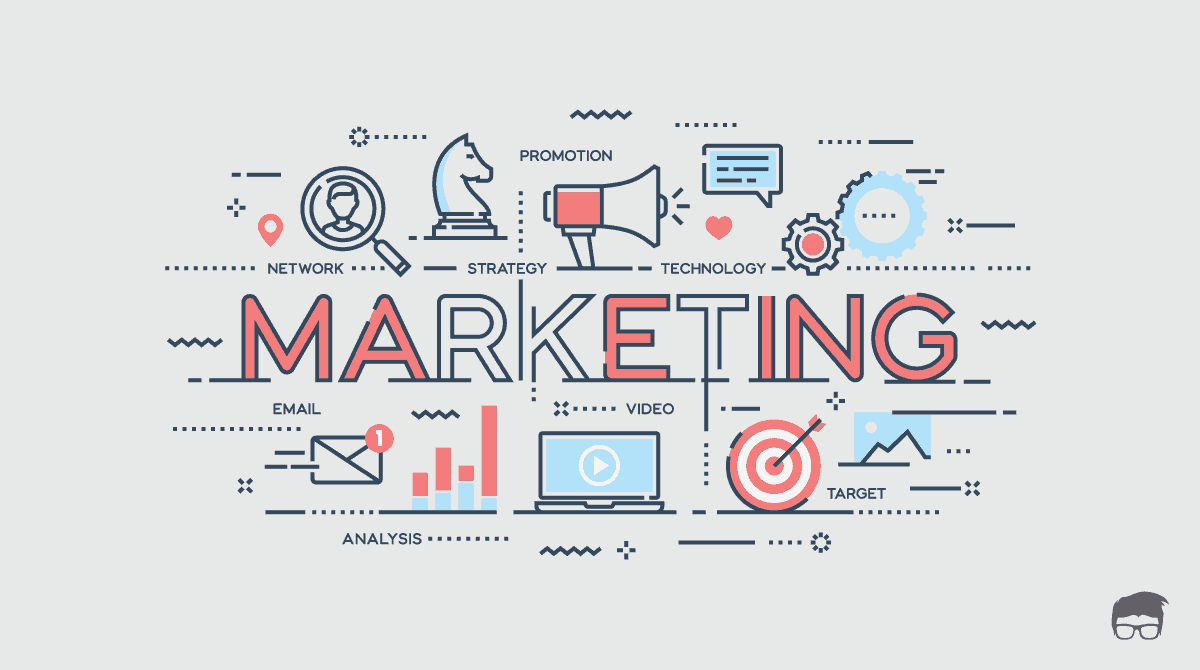
In the ever-evolving landscape of digital marketing, businesses are constantly seeking innovative ways to boost their conversion rates. One effective strategy that has emerged is the integration of regional services with smart optimization techniques. This approach not only enhances customer engagement but also tailors marketing efforts to meet specific regional demands, ultimately leading to higher conversion rates.
The concept of regional services revolves around customizing products or services to cater specifically to the needs and preferences of a particular geographic area. This geographical focus allows businesses to create more relevant and personalized experiences for their customers, which can significantly increase conversions. By understanding local trends, cultural nuances, and consumer behavior patterns, companies can tailor their offerings in a way that resonates more deeply with their target audience.
One key aspect of leveraging regional services is localization. Localization goes beyond mere translation; it involves adapting content, design elements, and even product features to align with local tastes and preferences. For example, a global e-commerce platform might adjust its website layout or payment options based on the most popular methods in a specific region. Such changes make potential customers feel understood and valued, increasing the likelihood that they will complete a purchase.
Moreover, incorporating local testimonials 타지역서비스 and case studies into marketing materials can build trust among potential customers within a region. When consumers see familiar faces or hear success stories from nearby locations, they are more likely to relate to the brand’s message and perceive it as credible.
Smart optimization complements these efforts by utilizing data-driven insights and advanced technologies to refine marketing strategies continuously. With tools like artificial intelligence (AI) and machine learning (ML), businesses can analyze vast amounts of data quickly and efficiently. These technologies help identify patterns in consumer behavior that may not be immediately apparent through traditional analysis methods.
For instance, AI-powered algorithms can segment audiences based on various criteria such as demographics or browsing history—allowing marketers to deliver highly targeted campaigns tailored specifically for each group’s unique characteristics. This level of personalization ensures that marketing messages reach individuals who are most likely interested in what is being offered—thereby increasing chances for conversion significantly compared against generic approaches where everyone receives identical messaging regardless if it suits them personally or not!
Another powerful tool within smart optimization arsenal includes predictive analytics which forecasts future buying behaviors using historical data combined together alongside current market trends enabling proactive decision-making processes aimed at optimizing overall performance across different channels simultaneously rather than reacting post-factum once opportunities have already passed us by unnoticed!
Additionally A/B testing remains an invaluable technique allowing marketers experiment various elements such as headlines images call-to-action buttons etc.